Coffee budgets obtain squeezed silently. A bag that used to set you back 14 dollars drifts to 18, then shipping adds an additional 6, and instantly the day-to-day ritual seems like a high-end. You do not require 40-dollar micro-lot espressos to consume well in the house. You require trustworthy roasters who roast fresh, ship immediately, and cost relatively, plus a few methods to extend flavor without reducing quality.
I've acquired and brewed thousands of bags while hunting for the sweet place: beans that get here fresh, preference balanced, and don't punish your budget. What complies with is a guidebook to navigating Coffee Beans Delivery alternatives on a budget plan, attracted from real mixtures, membership spread sheets, and the occasional misstep that showed me to check roast dates and grind dimensions twice.
What "economical" really means in beans, shipping, and time
A reasonable cost depends upon exactly how you consume coffee. If you make one 12-ounce cup each early morning, a 12-ounce bag lasts 10 to 2 week. For a two-coffee house, you might experience 1 to 2 pounds every two weeks. The greatest surprise variable is delivering. A bag valued at 14 bucks with 7-dollar delivery is not less costly than a 17-dollar bag with complimentary shipping, and it may get here slower.
Think in price per ounce instead of sticker price. Many budget-friendly roasters cost in the 12 to 19 dollars per 12-ounce array for mix coffees, with cost-free shipping thresholds around 30 to 40 dollars or with registration discount rates in the 10 to 15 percent range. If a store roasts to order, anticipate an extra day before shipping. If a store ships same-day, you may grow older roast days. Pick your priority: outright quality, or lowest price per ounce. Personally, I choose a roast date within 7 days of arrival over conserving a dollar, unless I'm stacking a regular monthly membership where predictability matters more.
Freshness which slippery roast date
Most beans come to a head within 3 to 2 week after roast, relying on the roast level and mixture technique. Lighter roasts frequently need a longer rest to grow sweetly, while tool roasts for drip can shine on day three. If a roaster won't disclose roast days, I pass. If a marketplace notes "ship by" however not roast date, I only acquire if I've formerly verified they roast to order.
A tiny note on degassing: espresso especially desires time to resolve. If your Coffee Beans Delivered are light and predestined for coffee, think about resting them a week, sometimes much more. If you're purchasing an economical coffee blend, plan the distribution timing so the bag strikes that pleasant window inside your routine.
A practical map: where budget plan meets reputable flavor
There are many superb roasters. The trick is finding that keeps blends consistent and offers friendly delivery. Over the last few years, I've come back to a handful of roasters and marketplaces because they repeatedly provide: stable tastes, great value, transparent dates. I will not claim these are the only alternatives, and I'll prevent hype. This is a serviceable shortlist that often tends to be readily available in the U.S., with notes on just how to get the very best deals.
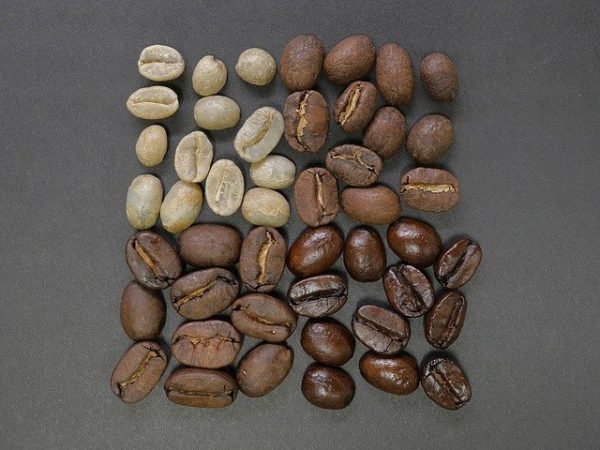
- Buy directly from the roaster and subscribe for a 10 to 15 percent discount when feasible. This is typically the most trustworthy method to keep cost per ounce down. It likewise encourages fresher roasts contrasted to basic marketplaces. Consider 2-pound bags for blends you like. Delivering obtains spread out, and the per-ounce price drops significantly. Watch for seasonal promotions. Several roasters run 15 to 20 percent codes at the start of each quarter, on holidays, or when they change product packaging. Establish alerts or e-newsletters, then pounce.
That brief checklist covers the initial of two enabled checklists in this article. The remainder will stay in paragraphs to honor the limits.
The mixes that strike over their price
Blends keep prices rational. The roaster can combine dependable components throughout harvest home windows and areas to strike a taste target, and economic situations of range kick in. Seek blends labeled "home," "comfort," "drip," or "traditional." These usually land in a pleasant profile: delicious chocolate, caramel, roasted nuts, in some cases a hint of red fruit or citrus. That wide charm likewise indicates they endure mild grind errors and strange water. When I teach newbies to make, I start with blends like these.
If you lean sweeter and chocolatey, you'll locate Latin American supports like Brazil and Colombia. If you like a mild berry twist, mixes with a touch of Ethiopia can cheer things up without transforming the cup into a grapefruit celebration. For milk beverages, go for tool or medium-dark. For black pour-overs, a light-medium with a spherical acidity functions well.
In rate terms, a reputable "home" mix at 15 to 18 dollars for 12 ounces with reasonable shipping is a winner. If you pay north of 19 for a mix, make certain the delivery is included and the roast date is recent.
How to review a cost that hides the actual cost
Some websites list a bag at 14 dollars, after that bill 8 bucks for shipping. Others price at 17 with cost-free delivery after 35 dollars. If you brew two cups daily, 2 12-ounce bags could last you a couple of weeks, so getting two at the same time commonly crosses the cost-free delivery threshold. You additionally lower packaging waste and shipping-related discharges, which is a nice bonus.
Calculate an effective per-ounce cost. As a fast rule of thumb, I attempt to stay at or under 1.30 to 1.50 bucks per ounce for blends that I drink daily, delivery consisted of. If a bag is 12 ounces at 16 dollars with 6-dollar delivery, that is 22 dollars overall, or 1.83 per ounce. Because situation, I either include a 2nd bag to balance out shipping or I miss and discover a roaster that uses cost-free or level shipping.
Choosing roast degrees with intention
Affordable beans do not excuse muddled roasts. If your goal is pleasing daily drip, avoid anything labeled "ultra light" or "Nordic light" unless you have a high-extraction routine and a mill that stands out with lighter roasts. Those coffees can be dazzling, but they punish imprecise methods and hard water. For espresso, a medium roast streamlines shots and minimizes the demand for turbo-fine dial-in. It additionally pairs better with milk at lower doses, meaning you make use of fewer grams per drink without sampling thin.
Dark roasts can be economical and forgiving, however not all dark roasts are equal. Great ones taste like dark chocolate and toasted sugar, not ash. An affordable roaster that can push right into dark without tipping into level bitterness deserves noting. If your faucet water is really soft, darker roasts may turn also blunt; use a slightly coarser work and reduced dosage to keep clarity.
Shipping rate, product packaging, and oxygen management
A secured bag with a one-way valve is standard, but it's not magic. Oxygen issues most after you open up the bag. If you buy 2-pound bags to conserve cash, strategy storage space. I divided big bags right into airtight tins or mason containers, loading them to the brim, after that freeze what I will not use in the following 10 days. Freeze entire beans, not grounds. When you require a lot more, eliminate a jar, let the beans concern room temperature secured to prevent condensation, after that open. Air direct exposure, not cold, is what stales coffee. Handled properly, cold expands peak taste without a noticeable penalty.
On shipment, a 2 to five day transportation home window is regular. If a roaster is three states away and makes use of ground delivery, expect closer to five. If you reside in a remote location, take into consideration roasters within a two-day zone to avoid staleness creeping in.
Single-origin on a budget, with reasonable expectations
You can drink single-origin without paying store prices. The technique is to choose in-season coffees from areas recognized for integrity. Colombia's major harvest is wide and abundant, which assists prices. Brazil's quantity makes it a seasonal value, especially in all-natural or pulped all-natural great deals with cacao and peanut brittle notes. Cleaned Ethiopians with floral lift can be cost effective at harvest peak, yet rates jump more than Latin American staples. Kenya typically sets you back more, so wait for when you desire that tomato-spark-and-cassis profile to sing.
Expect a small price bump for single-origin, perhaps 1 to 3 bucks over a residence mix. If a roaster is charging the exact same for single-origin and blend, verify the back tag. Often that "single-origin" is really a local mix under one nation name. That's great if the preference provides, simply do not expect the granular farm detail or traceability you would certainly see on higher-end offerings.
Brewing tactics that stretch value without sampling cheap
Good strategy lets you buy smarter instead of more expensive. A number of tweaks consistently boost budget beans:
- Use the ideal water. Tough water or odd mineral equilibrium can flatten level of acidity and magnify anger. A straightforward option is to remineralize distilled water making use of a well-known profile. Even a light-weight recipe with bicarbonate and magnesium transforms a respectable blend right into something polished.
That line is the 2nd and final listing item permitted. The rest will certainly remain prose.
Dial-in commonly fails at the work. If your mug preferences sour and slim, grind finer. If it tastes bitter and hollow, grind coarser or reduced the water temperature level by a couple of degrees. For pour-over, I such as 1:16 to 1:17 brew proportions for blends and 1:15 to 1:16 for single-origins with delicate aromatics. For drip devices, utilize a fresh paper filter and tidy the machine monthly. Calcium deposits and stale oils smear taste and waste good beans.
For espresso, start with a moderate dose such as 18 grams in a 58 mm basket, targeting 36 to 40 grams out in 25 to 35 secs. Readjust in small steps. Budget mixes typically like slightly greater yields, which stretches the bag without wrecking structure. If you want cappuccinos that really feel rich on a budget plan, practice milk steaming. Well-textured milk makes a basic chocolate-nut mix preference creamy and luxurious.
When to skip the deal
A sale isn't a bargain if the beans are currently old. If the site shows "roasted 3 weeks earlier" and you're looking at a light single-origin for espresso, pass. If delivery adds half the bag's cost and complimentary shipping begins at 40 bucks, however you only consume one mug a day, you might not end up 2 bags prior to staling. Because situation, try to find an 8-ounce bag or a neighborhood pick-up to evade the delivery cost. Additionally watch out for "enigma" or "surprise" bags suggested to move old supply. They can be fun, however not if you're hunting the most effective Coffee Beans Delivery for constant day-to-day brewing.
Subscriptions that do not secure you in
Flexible subscriptions commonly provide the very best price for reputable Coffee Beans Delivery. Prioritize plans that allow you avoid, stop, or switch between blends. I favor roasters who roast to purchase the day prior to shipping and interact roast days clearly. A little distinction in tempo can straighten with your use rate and decrease waste. If you consume 12 ounces every 10 days, a regular monthly routine leaves you brief or stagnant. Some roasters offer distribution every 10 or 2 week, which is ideal for solo brewers.
Marketplaces can function too, specifically if they bargain better shipping prices. Just watch roast day transparency. If a marketplace consolidates stock in a storehouse, you could see a week-old roast prior to it also ships. Not a deal-breaker for blends, but less perfect for flower single-origins.
Tools you really need to make budget plan beans shine
The power structure of equipment issues. A consistent mill beats a fancy pot each time. If you're buying your initial grinder, look for one with good placement and burr geometry that handles medium to light roasts without delaying. Hand grinders can be really cost-effective if you agree to place in the joint work. For drip machines, a design that keeps 195 to 205 Fahrenheit and distributes water evenly makes a world of difference, despite having supermarket blends.
Use a scale. Ten grams of error per pot suffices to turn your budget plan acquisition into a mediocre experience. Maintain a fundamental water thermometer if your kettle lacks control. And take notes. If you find a ratio and work setting that complements a roaster's home blend, future bags will certainly fall into place with marginal tweaking.
Fairness and transparency still count at lower prices
Budget-friendly should not mean corner-cutting on ethics. Many roasters in the 15 to 18 dollar array communicate sourcing partnerships and pay costs above asset rates, also if they don't release every agreement information. Search for cues: clear origin information, handling method, harvest year, and tasting notes that sound practical. If a business notes vague "international beans" without any traceability and the preference is flat, take into consideration whether conserving 2 bucks per bag is worth it. In my experience, roasters who value manufacturers normally value consumers also. It shows up in roast top quality and shipment consistency.
The situation for buying two bags at once
There's a rhythm to having coffee in your home that prefers increasing up. One bag open, one bag resting or frozen. When the open bag dips below a 3rd, you defrost the back-up. This rhythm lowers delivery prices per ounce, keeps you in the top taste window, and protects against the all-too-common emergency order at the most awful feasible time. It also lets you alternating accounts, claim a chocolatey house mix for weekdays and a brighter Colombia for weekends.
This habit makes Coffee Beans Delivered feel much less like a persisting problem and even more like a stable pantry staple. That solidity is where the actual savings surface area, since you aren't spending lavishly last-minute on 22-dollar rush bags or going for something stagnant at the grocery store store.
Troubleshooting: when the cup tastes cheaper than the price
Sometimes a brew dissatisfies. Before criticizing the beans, examine the essentials. If the cup tastes papery, wash your filter completely with warm water. If it tastes hollow, you could be under-extracting as a result of as well coarse a work or as well trendy water. If the aftertaste transforms astringent, slow down the circulation by tightening your grind slightly or flowering longer to saturate the bed evenly.
With espresso, directing damages flavor quickly. If shots run at 12 secs, grind finer and improve circulation. Even a basic WDT tool or a toothpick swirl can even out thickness. If your shot preferences salty and green, the roast is likely too light for your existing configuration or as well young. Rest it much longer or change to a mix targeted at espresso.
If you've done everything right and the taste still checks out stale, examine the roast day. If it's greater than 5 weeks old and the bag was opened up for a while, you're dealing with physics. Use the rest for cold mixture, where coarser grinds and long steeping take out sweetness and conceal some stodginess. Cold mixture is a fantastic rescue prepare for beans that missed their moment.
Why specific roasters maintain showing up in spending plan circles
Repeated success is a feature of systems. Roasters that roast numerous days each week, ship quickly, and interact plainly often tend to deliver far better results for much less money, since you spend less energy and time compensating for their spaces. They call blends to being in a wide comfort area, toasting them constantly instead of chasing novelty.
If a roaster's internet site reveals constant sold-out notices on staple blends, you could deal with hold-ups or older stock. If they regularly rotate names without explaining what altered, you'll be chasing consistency. Predictability is a stamina, not a lack of ambition. An excellent home blend with constant high quality is the foundation of an inexpensive routine.
A story from the messy middle
I when went after a discount that became a week of sour coffee. A roaster I had not attempted used a 25 percent off code with complimentary delivery. The bag showed up with a roast day 3 weeks prior, the beans were a feather-light roast, and the shots tasted like eco-friendly apple peel and raw cacao. I rested them one more week, ground painfully fine, tweaked temps, and lost half the bag. On the last day I confessed loss, changed to pour-over, and the coffee tasted suitable if still flat.
Two days later my typical registration landed. Tool roast, fresh. The first shot grew syrupy, plucked 1:2.2 in 30 secs, and tasted like delicious chocolate icing with a cherry wink. The lesson stuck: a great system beats a single offer. I still go after promos, however only from roasters that already confirmed they can supply in a timely manner with roast dates I trust.
Squeezing more goodness from every dollar
Let's attach the dots. Inexpensive coffee isn't a solitary trick, it's a stack of small decisions that accumulate:
- Choose blends with clear roast days, ideally delivered within a couple of days of toasting and arriving within a week. Subscribe if the roaster discount rates naturally and lets you stop or switch. Buy 2 bags to get to free shipping, after that save the backup effectively. Freeze in impermeable containers and rotate with intention. Brew with focus. Utilize a qualified mill, measure doses, and keep your gear. Secure strategy makes budget beans taste polished. Know your scheme. If you consume coffee black, choose tool or light-medium blends that bring caramel sweetness and controlled acidity. For milk drinks, favor tool coffee blends that punctured without burning. Spend your focus on water. Also a simple mineral profile boosts an average mix and helps you conserve cash without compromising flavor.
No hand-waving below, just relocates you can make use of tomorrow.
Where "Best Coffee Beans Delivery" satisfies your routine
The phrase Best Coffee Beans Delivery doesn't have an universal answer. It depends upon where you live, how frequently you make, and what you expect in the cup. The very best service for a city house with weekly espresso is not the best for a rural home that consumes large pots of drip every weekend. What takes a trip well, what ships quick, and what preferences right in your water will define "finest" much more concretely than any top-ten list.
Still, patterns arise. Fresh roast dates win. Honest blends outlive trends. Shipping openness issues. And when Coffee Beans Delivered turns up on time, with a flavor profile that feels acquainted yet not uninteresting, your coffee habit comes to be both affordable and enjoyable.
A final nudge to experiment, not overspend
If your budget plan is tight, prioritize uniformity over novelty. Discover a couple of roasters that satisfy your needs, after that explore within their schedule. Attempt a seasonal mix together with the house blend. Preference the distinction in between washed and natural handling when the cost space is small. Use an easy brew log to track proportions and grind setups that make each bag sing.
Settle right into a cadence that prevents emergency situation stores and https://anotepad.com/notes/7et9f7ye stale leftovers. When you desire a reward, buy a single-origin that shares lineage with your favorite blend, so you can taste what those elements add. That type of educated inquisitiveness keeps brewing intriguing without pushing you into 22-dollar bags every two weeks.
Great coffee in the house doesn't need velour tags or delivery that costs as much as the beans. It needs clear roast dates, truthful pricing, and a little craft at your end. Construct that foundation, and the budget-friendly ideal comes to be a routine rather than a hunt.